


Babbel - Learn Languages
4.641.69K Reviews
App Specs
- Version
- 22.7.0
- Updated On
- License
- Free
- Downloads
- 50,000,000+
- Developer
- Babbel
- Categories
- Education
- Platform
- Android, iOS
Screenshots
 Analysis by AppCompare
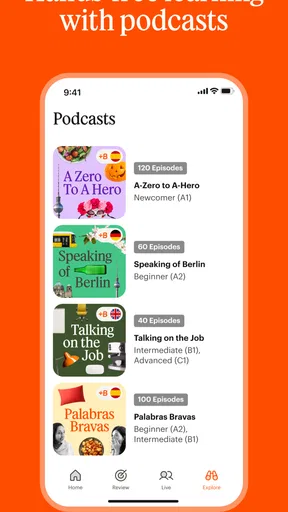
I find Babbel most useful when I treat it as a practical study routine rather than a shortcut to fluency. It is an education app from Babbel, built around guided language lessons and practice. The approach suits someone who wants a clear next step each time they open the app, especially if starting with a new language feels less daunting than planning a course alone.
A structured route through everyday language
The strength of Babbel - Learn Languages is that it gives practice a shape: short lessons introduce useful situations, then ask you to work with the words in more than one way. That is a sensible fit for a spare moment before work or during a quiet break. Rather than trying to study for an hour and losing momentum, I would aim to finish one lesson, then return to the phrases that proved difficult.
That routine works best when I connect a lesson to something I might actually do. If I am preparing for a trip, for example, I can pay closer attention to greetings, food, directions, and polite questions. I would say each phrase aloud and try to recall it later without looking. The app can supply guided practice; remembering to use the language outside the lesson is still my responsibility.
What a realistic study day looks like
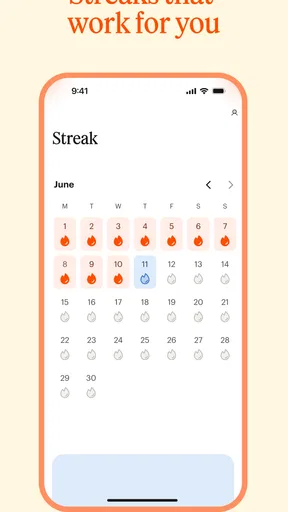
Imagine I have a few minutes while waiting for a train. I can use that time to work through a short lesson, listen closely to a phrase, and repeat it rather than scrolling without a plan. Later, at home, I can revisit a word or sentence that did not stick. That small loop—learn, say it, return to it—is more useful than rushing through several screens just to feel productive.
A practical tip is to keep a note of phrases that matter to your own life: how you introduce yourself, ask someone to repeat a sentence, or explain a preference. Even when a lesson covers a different context, linking its vocabulary to a real conversation makes it easier to retrieve. I would also avoid treating a pronunciation score as a verdict on my accent; it is better used as a prompt to listen again and notice which sounds need attention.
Who will get the most from it
I would recommend this style to beginners who appreciate a guided path, returning learners who want to rebuild a daily habit, and travelers who need a foundation in common situations. It can also suit people who already know some grammar but need regular contact with listening and speaking exercises. The mix of activities gives a lesson more variety than a simple word list, while its practical topics help keep study connected to ordinary conversation.
It is less suitable as a sole resource if your goal is advanced conversation, detailed grammar study, or specialized vocabulary for work. In those cases, I would pair a structured app with reading, real conversation, or materials aimed at the subject you need. If you mainly want open-ended conversation with a tutor, a live-speaking service will be a better match. Babbel’s guided format is helpful, but it cannot make a learner comfortable in every spontaneous exchange by itself.
Worth Reading Before You Choose

Baby Panda World Brings Quick Play to Modern Phones, but Its Game Library Feels Busy

ESPN’s Live Game View Makes Following Close Games Easier

QuizzLand Review: A Good Fit for Short Trivia Breaks, Not Every Player

Basketball Stars: Multiplayer Is Fast, but Can It Recover When Matches Go Wrong?

WEBTOON Turns Phone Updates Into a Better Reading Routine

Link to Windows Runs on Shared Habits, Not Social Feeds
Getting Started with Babbel
First things first, downloading and setting up Babbel is a breeze. The app is available on both Android and iOS, and it practically holds your hand through the initial setup. Once you’ve chosen the language you want to learn, you're good to go. The selection is pretty impressive, ranging from popular choices like Spanish and French to more niche languages like Swedish and Turkish.
The Learning Experience
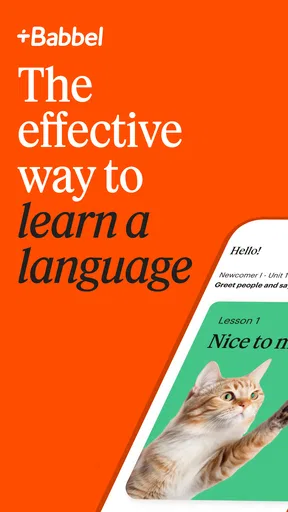
What I love about Babbel is its user-friendly interface. The lessons are crafted to be short and sweet, making it easy to fit into a busy schedule. Each lesson focuses on practical topics, like ordering food or introducing yourself, which means you’re learning phrases you’ll actually use. No more memorizing random words that you'll probably never say.
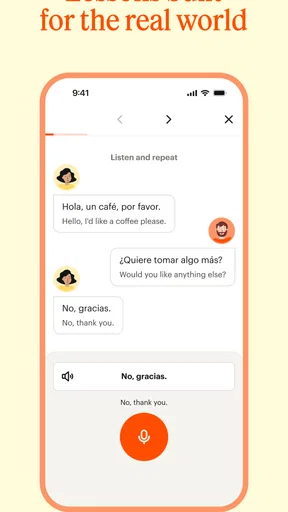
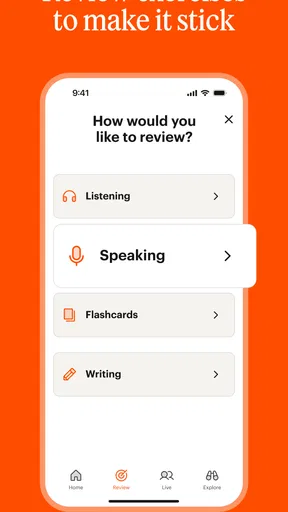
The app uses a mix of reading, writing, speaking, and listening exercises, which keeps things interesting. One minute you’re repeating phrases back to your phone like you’re in a spy movie, the next you’re matching words with pictures. It’s a pretty engaging way to learn, and it doesn’t feel monotonous at all.
Features That Stand Out
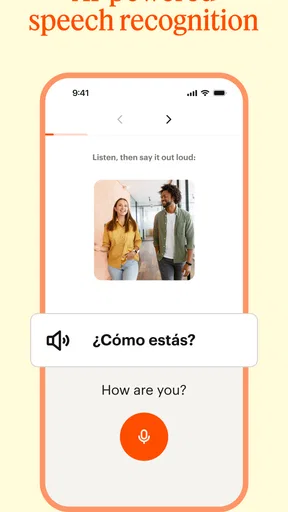
One feature I found particularly cool is the speech recognition technology. It’s not perfect, but it’s a great way to practice pronunciation and get feedback. Plus, Babbel includes cultural tips, which are neat nuggets of information that add context to your learning and keep you motivated.
Another neat feature is the review manager. It reminds you to revisit words and phrases to make sure they stick. It’s like having a personal coach reminding you to keep your skills sharp.
How the price and format affect the choice
The app is free to install and is rated for everyone, but ongoing access is tied to in-app purchases. Those purchases range from about thirteen dollars to three hundred and fifty dollars per item, so I would check the available options in the app and decide what commitment makes sense before building a long-term routine around it. A free download should not be confused with unlimited free study.
That distinction matters when comparing it with familiar alternatives. Free, game-like language apps can be easier to sample casually, while Babbel’s guided lessons are better suited to someone who wants a more deliberate sequence and practical examples. A textbook or grammar reference may explain rules in greater depth; a conversation partner provides unpredictability that scripted practice cannot. I see the app as a structured daily tool, not a replacement for every other way of learning.
Where the current version fits
Babbel was released on February 21, 2012, and its current version is 21.90.3. That long-running presence gives the app an established place in language learning, but the version number alone does not tell me which lessons or tools have changed over time. I would separate what I can assess now—the guided lessons, varied exercises, speech practice, cultural notes, and review manager—from any expectation that a future update will add a particular feature.
For existing learners, the practical question is less about a number on the version screen and more about whether the current routine still serves their goals. If the lesson sequence keeps them returning and the review prompts help recover forgotten phrases, there may be little reason to change how they study. If they have reached a point where they need spontaneous conversation or specialist language, they can keep Babbel for revision while adding a more suitable resource. Before changing a routine, I would check that the app is up to date through the relevant app store and make sure I can still access the course I use.
Limits worth knowing before committing
Speech recognition can offer useful feedback, but it is not the same as a person responding to meaning, asking a follow-up question, or noticing when a phrase sounds unnatural in context. I would use it to rehearse and build confidence, then look for chances to speak with another person when conversation is the goal. Similarly, a review reminder can bring vocabulary back to mind, but it only helps if I make time to answer actively rather than tapping through on autopilot.
The guided format also means the app decides much of the learning path. That is convenient when I want a ready-made lesson, but less ideal if I need to jump straight to a narrow topic or design a syllabus around a specific exam. I would choose a dedicated course or teacher for those needs and use Babbel as a supporting habit, not expect one app to cover every situation.
Is Babbel Worth It?
Now, let’s talk about the elephant in the room — the cost. Babbel isn’t free, but they do offer a free trial if you want to test the waters. After that, you’ll need a subscription. In my opinion, if you’re serious about learning a language, it’s a worthy investment. The quality of content and the structured approach make it worth every penny, especially compared to other free apps that might not offer the same depth.
Babbel has an average rating of 4.6 from around 1.1 million ratings, and it has been installed over 50 million times. Those figures suggest that many learners have tried it, but they do not tell me whether its lesson style will suit a particular person. I would judge it by a more personal test: do I enjoy the exercises enough to return, and can I name a real situation where I want to use what I learn? If yes, a steady routine is more valuable than chasing a perfect app.
In conclusion, Babbel - Learn Languages is a fantastic tool for anyone looking to dive into a new language. It’s beginner-friendly, yet it offers enough depth to keep you engaged as you progress. Whether you want to brush up on your high school French or surprise your friends with a newfound ability to order sushi in Japanese, Babbel is here to guide you every step of the way. So go ahead, give it a whirl, and who knows? Maybe your next holiday will be even more exciting with a new language under your belt!
Pros
- Wide variety of languages offered.
- Interactive and engaging lessons.
- Speech recognition improves pronunciation.
- Offline mode for learning on-the-go.
- Personalized review sessions enhance retention.
Cons
- Monthly subscription can be pricey.
- Limited free content available.
- Some languages have fewer resources.
- Not ideal for advanced learners.
- Requires internet for initial download.
FAQs for Babbel - Learn Languages
What languages can I learn with Babbel?
Babbel offers courses in 14 different languages, including Spanish, French, German, Italian, and Portuguese, among others. Each language course is tailored to provide users with practical vocabulary and conversational skills, making it suitable for travelers, professionals, or anyone looking to expand their language knowledge.
How does Babbel structure its lessons?
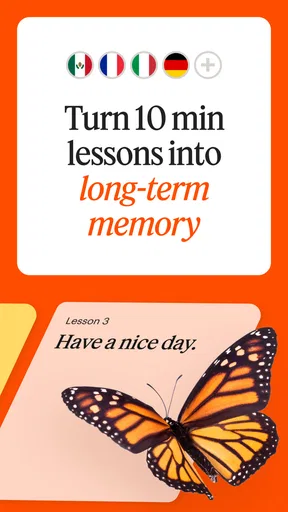
Babbel's lessons are designed to be interactive and engaging, with a focus on real-life conversations. Lessons are typically 10-15 minutes long, making it easy to fit language learning into your daily routine. The app uses a combination of listening, speaking, reading, and writing exercises to reinforce learning.
Is Babbel suitable for beginners?
Yes, Babbel is ideal for beginners as well as intermediate learners. The app starts with basic vocabulary and grammar, gradually introducing more complex concepts as you progress. Additionally, Babbel offers placement tests to help tailor the learning experience to your current proficiency level.
Does Babbel offer offline learning?
Yes, Babbel allows you to download lessons for offline use. This feature is particularly useful for users who may not always have internet access. You can continue learning on the go without worrying about connectivity, making it convenient for travel or commuting.
What is the cost of using Babbel?
Babbel operates on a subscription model, offering various plans to suit different needs. You can choose from monthly, quarterly, or annual subscriptions. While Babbel does not offer a free version, it often provides free trial lessons so you can explore the app before committing to a subscription.


